
Security
$100 Storm Prep: 6 Low-Cost Fixes To Protect Your Home
Jun 18, 2026

Hurricane prep does not always start with a major renovation. Sometimes it starts with a tube of caulk, a pack of screws and a careful look at the parts of your home you usually ignore.
Here are some small, practical home fixes that can help reduce avoidable damage if a storm comes through.
Look for places water could sneak in.
Wind-driven rain does not fall straight down. During a tropical storm or hurricane, rain can be pushed sideways into small gaps around your home.
Walk around the outside of your home and look closely at places where something enters or exits the wall. That may include:
- Cable lines
- Internet lines
- Electrical boxes
- Hose bibs
- Dryer vents
- AC lines
- Pipes
- Gaps around windows and doors
A tube of exterior-grade silicone or polyurethane caulk can help seal many small cracks and gaps. This is one of the least expensive storm prep projects, but it can make a real difference if water is being pushed against your home for hours.
Just be careful not to seal openings that are meant to drain or breathe, such as brick weep holes. When in doubt, take a photo and ask someone at a hardware store, contractor or qualified repair professional before sealing it.
Check your soffits before storm winds test them.
Soffits are the panels under the edges of your roof overhang. They are easy to overlook because they are not exactly exciting. But when soffits are loose, damaged or poorly fastened, strong wind can push rain into your attic.
That can lead to wet insulation, ceiling stains and interior damage that may not be obvious until after the storm.
From the ground, look for soffit panels that appear loose, sagging, cracked or out of place. Also look along the fascia, which is the trim board near the roof edge. If something looks loose, it may be worth having a qualified person secure it before storm season gets active.
Depending on the home, this may involve stainless steel screws and polyurethane sealant. The materials may be inexpensive, but the work can require a ladder and some judgment. If the area is high, hard to reach or already damaged, call someone who can do it safely.
Check your roof vents.
When people think about storm prep, they usually think about shingles. But rooftop vents can become weak spots if they are loose, corroded or poorly sealed. If a vent shifts or comes off during a storm, wind-driven rain can get into the attic. That can turn a small exterior problem into a much bigger interior problem.
From the ground, look for vents that appear crooked, rusted, lifted or damaged. If you have a safe attic view, you may also notice signs of old water entry below a vent.
This is a good place to be honest about your limits. For most people, roof vent repair is not a casual Saturday project. But asking a roofer or handy person to check for missing screws, loose vents or deteriorated sealant can be a smart pre-season move.
If you are already planning roof work, ask about low-profile vents or vents rated for high wind and wind-driven rain.
Tighten your doors.
Your exterior doors are part of your home’s defense against wind and rain. If you can see daylight around a closed door, wind-driven rain may be able to get through that same gap.
Look at the weatherstripping around the sides and top of each exterior door. Check the door sweep at the bottom. If either one is cracked, missing, brittle or flattened out, replacing it may be a simple improvement.
Also check that the door closes firmly and the deadbolt fully extends into the strike plate. If screws are loose around the hinges or strike plate, tighten them. In some cases, replacing short screws with longer screws that reach deeper into the framing may help the door hardware hold more securely.
This is not the same as installing a hurricane-rated door. But it can help reduce gaps and improve how the door performs in rough weather.
Guide water away from the house.
Heavy rain can overwhelm a yard quickly, especially if gutters, downspouts or drains are already clogged.
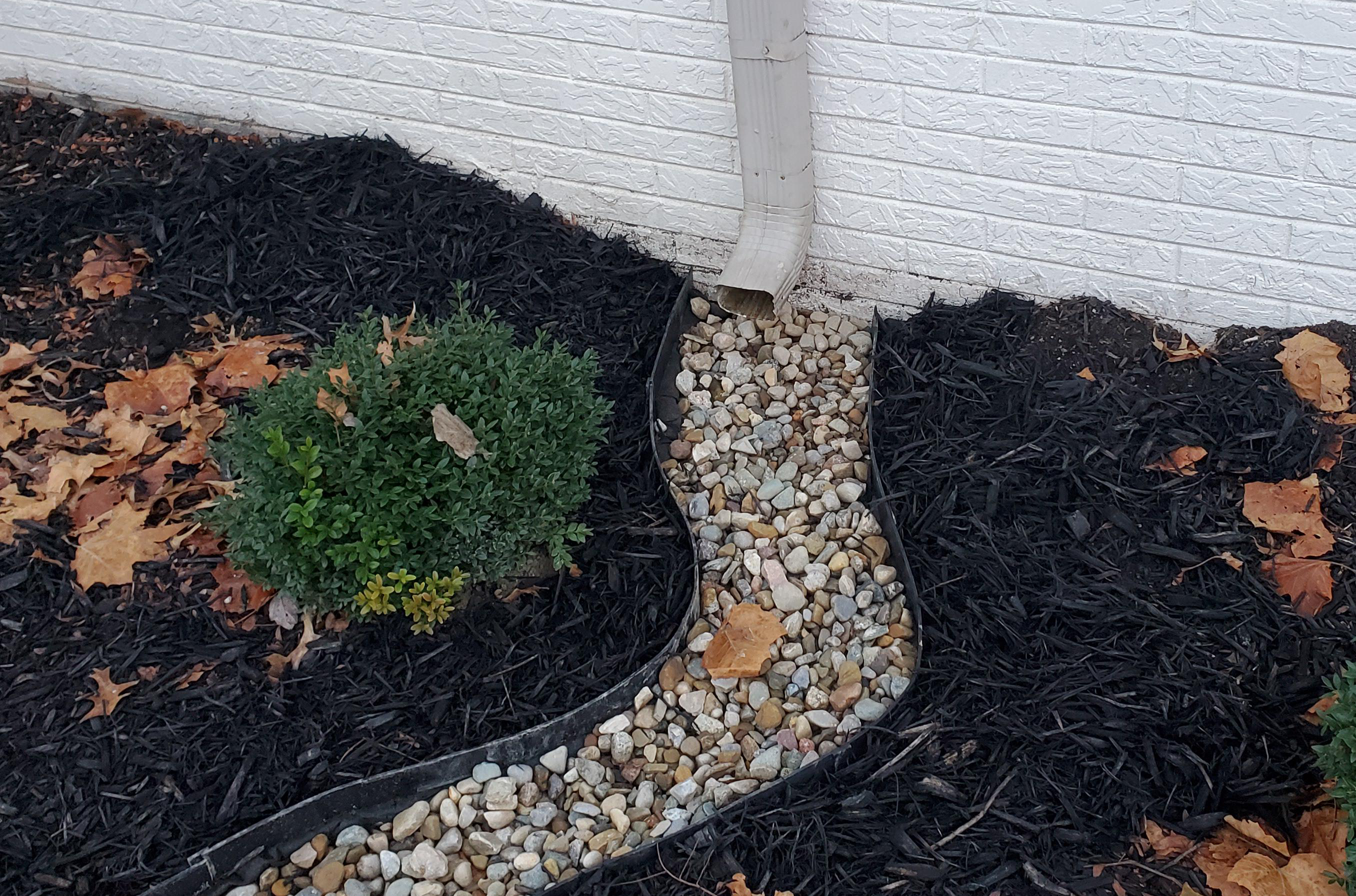
Clean gutters before storm season if you can do it safely. Check that downspouts are connected and directing water away from the house. If water dumps right at the foundation, a downspout extension or splash block may help move it farther away.
If you notice water pooling in the same spots, consider simple drainage fixes. A basic French drain can help redirect runoff. Spread a $7 bag of river rocks or drainage gravel in areas where water flows the hardest. This helps slow erosion and gives runoff a better path away from your home.
Don’t forget to prep your finances!
Home fixes are only one part of being ready. Before hurricane season really spins up, review your homeowners insurance, check your named storm or hurricane deductible and make sure you understand what is covered.
It is also a good time to take photos or videos of your home and belongings, then store them somewhere secure that you can access later. If you ever need to file a claim, having a home inventory can make the process easier.
And if storm prep reveals a bigger project than your budget can handle, Campus Federal is here to help you look at your options. Whether you are building emergency savings, planning repairs or preparing for future home expenses, a little planning now can help you feel more ready when storm season gets active.